
When it comes to maintaining a clean environment, many people wait until there is an obvious problem before taking action. Dust builds up, stains become noticeable, pests appear, or shared spaces begin to lose their freshness. Only then does cleaning become a priority.
While this approach may solve immediate issues, it often leads to more work, higher costs, and unnecessary inconvenience.
Preventive hygiene takes a different approach. Instead of responding to problems after they happen, it focuses on maintaining clean, healthy, and well-managed environments consistently. Whether it is a home, office, estate, school, or commercial property, prevention is one of the most effective ways to protect the spaces people use every day.
Understanding Preventive Hygiene
Preventive hygiene is the practice of maintaining cleanliness on a regular schedule to reduce the chances of dirt, bacteria, pests, and other hygiene-related problems becoming difficult to manage.
Rather than waiting until a space looks neglected, preventive hygiene keeps it in good condition through consistent care.
This approach helps maintain a pleasant environment while reducing the need for extensive corrective cleaning.
The Difference Between Prevention and Reaction
Reactive cleaning usually begins after a problem has become visible.
This might happen when:
- An office becomes noticeably untidy
- A home requires intensive cleaning after months of neglect
- Pests begin appearing around a property
- Shared spaces lose their cleanliness due to heavy use
- Post-event cleanup becomes necessary
Preventive hygiene, on the other hand, focuses on maintaining standards before these situations arise.
Instead of fixing problems, it helps reduce the chances of them developing in the first place.
Why Consistency Makes a Difference
Clean environments are rarely the result of one major cleaning session.
They are usually maintained through consistent attention over time.
Routine cleaning allows important areas to receive regular care, helping to prevent the gradual buildup of dust, dirt, and other contaminants.
Consistency also makes ongoing maintenance more manageable than dealing with large cleaning projects later.
Benefits for Homes
A home should be a place where people can relax and feel comfortable.
Preventive hygiene helps homeowners maintain living spaces that remain fresh throughout the year.
Regular maintenance supports:
- Cleaner living areas
- Better indoor comfort
- Well-maintained kitchens and bathrooms
- Reduced dust buildup
- A more pleasant home environment
Small efforts carried out consistently often make a noticeable difference.
Benefits for Businesses
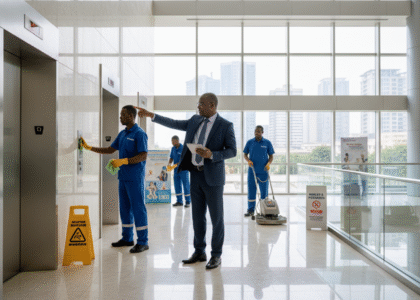
Business environments experience continuous daily activity.
Employees, customers, and visitors all interact with the same facilities.
Preventive hygiene helps businesses maintain:
- Professional-looking workplaces
- Cleaner reception areas
- Comfortable workspaces
- Well-maintained meeting rooms
- Positive customer impressions
For many businesses, maintaining cleanliness consistently reflects the professionalism of the organisation itself.
The Role of Preventive Pest Management
Hygiene extends beyond cleaning visible surfaces.
Pest prevention is another important part of maintaining a healthy environment.
Waiting until pests become a serious problem often requires more extensive treatment.
Routine inspections, proper sanitation, and scheduled fumigation can help reduce the likelihood of infestations and support healthier surroundings.
Protecting Property Over Time
Buildings, furniture, flooring, and shared facilities all benefit from regular maintenance.
Dust, moisture, stains, and neglect can gradually affect the appearance and condition of a property.
Preventive hygiene helps preserve these spaces by addressing issues early and maintaining consistent standards.
Over time, this contributes to properties that remain cleaner, more comfortable, and easier to manage.
Making Hygiene Part of Everyday Living
Good hygiene is not about achieving perfection.
It is about creating habits and routines that support healthier environments over time.
Whether at home or in the workplace, regular attention to cleanliness helps create spaces where people feel comfortable, productive, and confident.
The goal is not simply to clean when problems appear, but to create an environment where those problems are less likely to develop.
How HygienePro Supports Preventive Hygiene
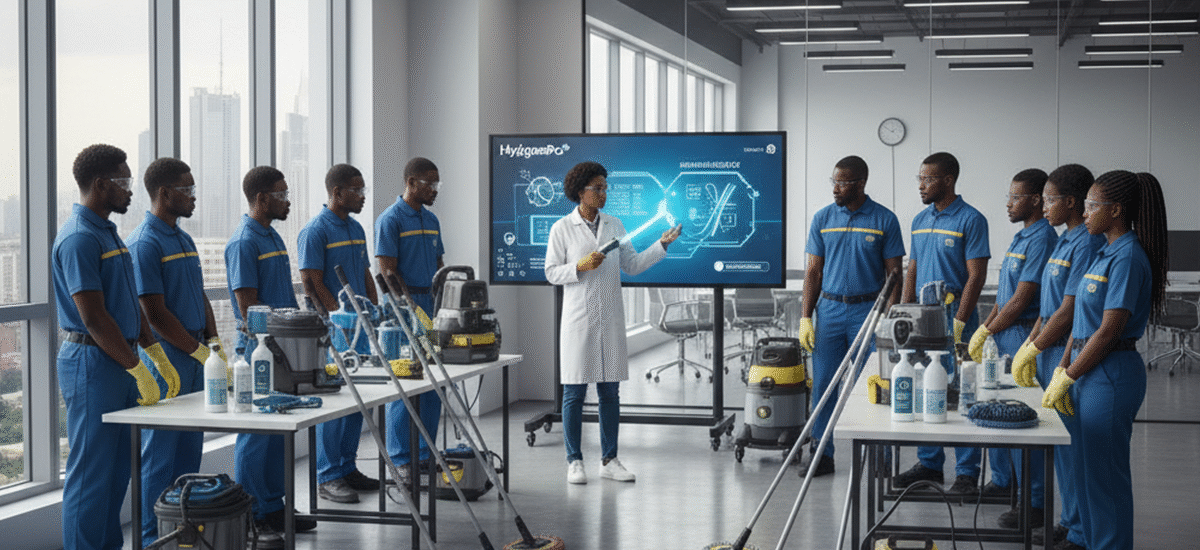
At HygienePro, we believe the best cleaning results come from consistency rather than emergency responses.
We work with homeowners, businesses, property managers, schools, hospitality providers, and organisations to help maintain cleaner environments through professional cleaning, deep cleaning, fumigation, pest control, and routine hygiene maintenance.
By taking a preventive approach, we help clients maintain spaces that remain welcoming, well cared for, and ready for everyday life.
We proudly serve clients across Lagos, including Lekki, Ajah, Ikoyi, Victoria Island, Ikeja, Chevron, Orchid Road, Sangotedo, VGC, Magodo, Gbagada, Ogudu, and surrounding communities.
Final Thoughts
A clean environment is easier to maintain than it is to restore.
Choosing preventive hygiene over reactive cleaning helps protect homes, workplaces, and commercial properties while creating better experiences for everyone who uses them.
Regular maintenance is not simply about keeping a space looking good today. It is about preserving comfort, cleanliness, and confidence for the future.
Looking for a Reliable Hygiene Partner?
Whether you need routine cleaning, office cleaning, residential cleaning, deep cleaning, post-construction cleaning, fumigation, or pest control, HygienePro is here to help you maintain cleaner and healthier spaces.
Website: www.hygienepro.ng
Phone: +234 913 477 5173
Email: info@hygienepro.ng
HygienePro
Creating Cleaner, Healthier Spaces Across Lagos and Nigeria.